

Real-Time Decision Support—Empowering Patients, Enabling Smarter Care
The First Wave of the New Era of Precision Medicine
Phenylketonuria

Phenylketonuria (PKU) is a rare genetic condition affecting both children and adults. Without careful management, phenylalanine (Phe) accumulates in the blood, leading to serious complications such as irreversible cognitive impairment, emotional instability, and neurologic decline.
Managing PKU requires constant vigilance. Patients—especially children and their families—must follow a highly restrictive diet, often combined with supplements, formula, and medications, to keep blood Phe levels within a narrow therapeutic range. Today, this management relies on infrequent blood tests and delayed feedback, making day-to-day control difficult and stressful.
Kilele Health aims to change this paradigm.
By providing real-time phenylalanine insights, the SunVida™ platform has the potential to give PKU patients and care teams continuous visibility into metabolic control—enabling faster adjustments to diet, supplements, formula, and therapy. Much like continuous glucose monitoring transformed life for people with type 1 diabetes, real-time Phe monitoring can empower PKU patients to move from reactive management to proactive control, improving adherence, reducing variability, and supporting healthier long-term outcomes.
Roadmap
Scheduled for the first wave of aptamer development
GLP-1's
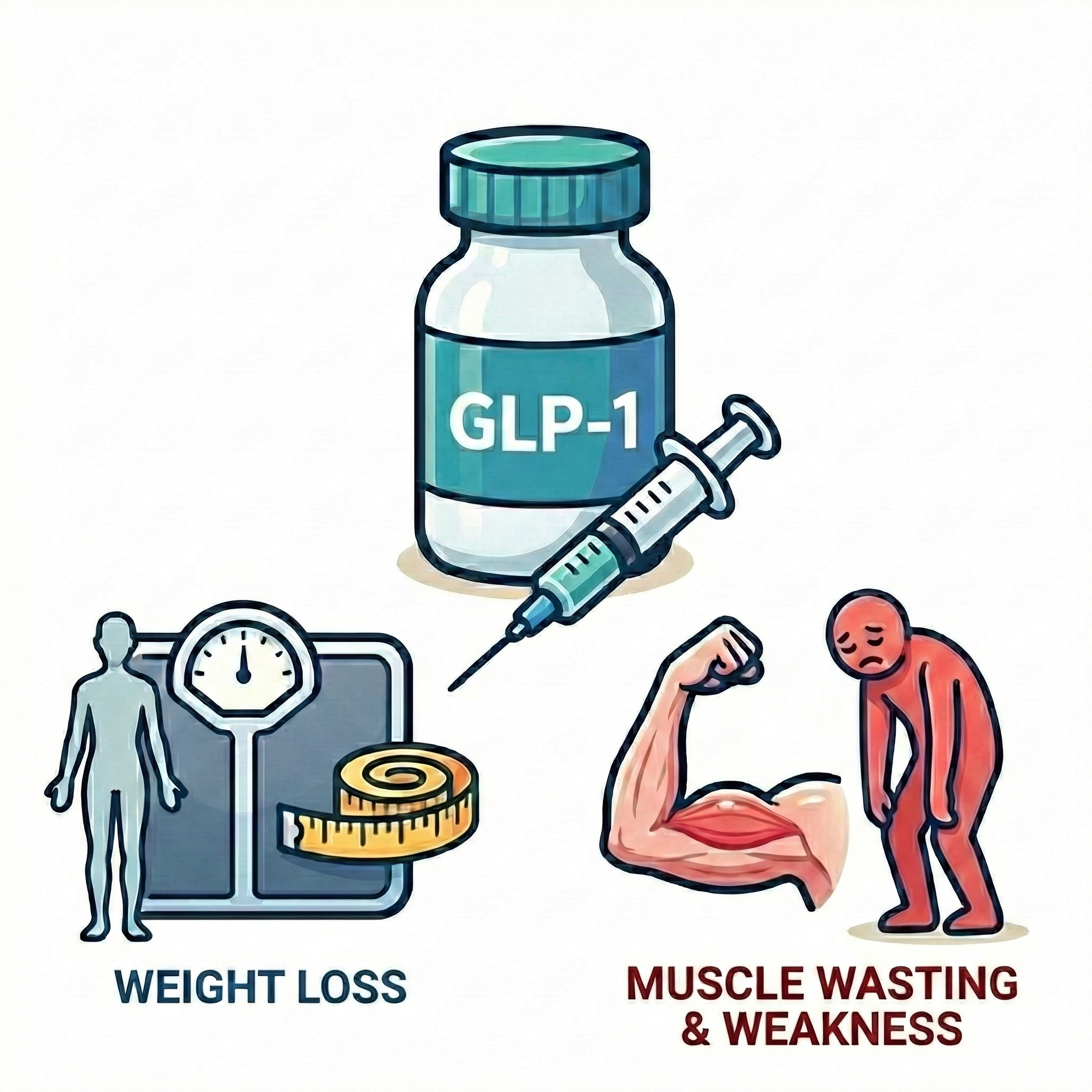
GLP-1 therapies have transformed weight management and delivered meaningful cardiometabolic benefits for millions of people. However, rapid weight loss inevitably places stress on muscle tissue, and in some patients this can progress to clinically significant muscle loss (sarcopenia).
When muscle weakness or fatigue becomes pronounced, patients may be forced to pause or discontinue GLP-1 therapy before reaching their target weight, forfeiting the full health benefits of treatment.
Kilele Health aims to change this outcome.
By providing real-time insight into protein metabolism with phenylalanine trends (along with additional biomarkers over time) SunVida™ intends to enable improved management of nutrition and physical activity. This should support GLP-1 continuation to target weight without unacceptable muscle weakness, enabling patients to achieve healthier, more sustainable outcomes.
Roadmap
Scheduled for the first wave of aptamer development
The Second Wave of the New Era of Precision Medicine
Functional Medicine & Wellness

Stress physiology plays a central role in metabolic health, sleep quality, energy levels, and overall well-being. Functional medicine biomarkers include key regulators of the body’s stress response and its impacts on insulin sensitivity, inflammation, circadian rhythm, and recovery. Yet today these biomarkers are typically measured only through infrequent, static tests that provide limited insight into daily patterns.
Kilele Health aims to bring real-time biomarker trend monitoring to functional medicine and wellness care.
The initial focus will be providing individuals and care teams with continuous visibility into stress physiology as it unfolds throughout the day via continuous cortisol monitoring. This insight has the potential to support more informed lifestyle decisions around sleep, nutrition, physical activity, and recovery. Additional biomarkers will be added over time to enable a more integrated view of metabolic balance, resilience, and long-term health. Together, these signals may help identify patterns of chronic stress, metabolic strain, or inadequate recovery before they manifest as disease.
By making complex physiology visible, interpretable, and actionable, Kilele Health aims to support a more proactive, personalized approach to wellness, helping individuals move from reactive symptom management to informed, biology-guided care.
Roadmap
Scheduled for the second wave of aptamer development
Diabetes
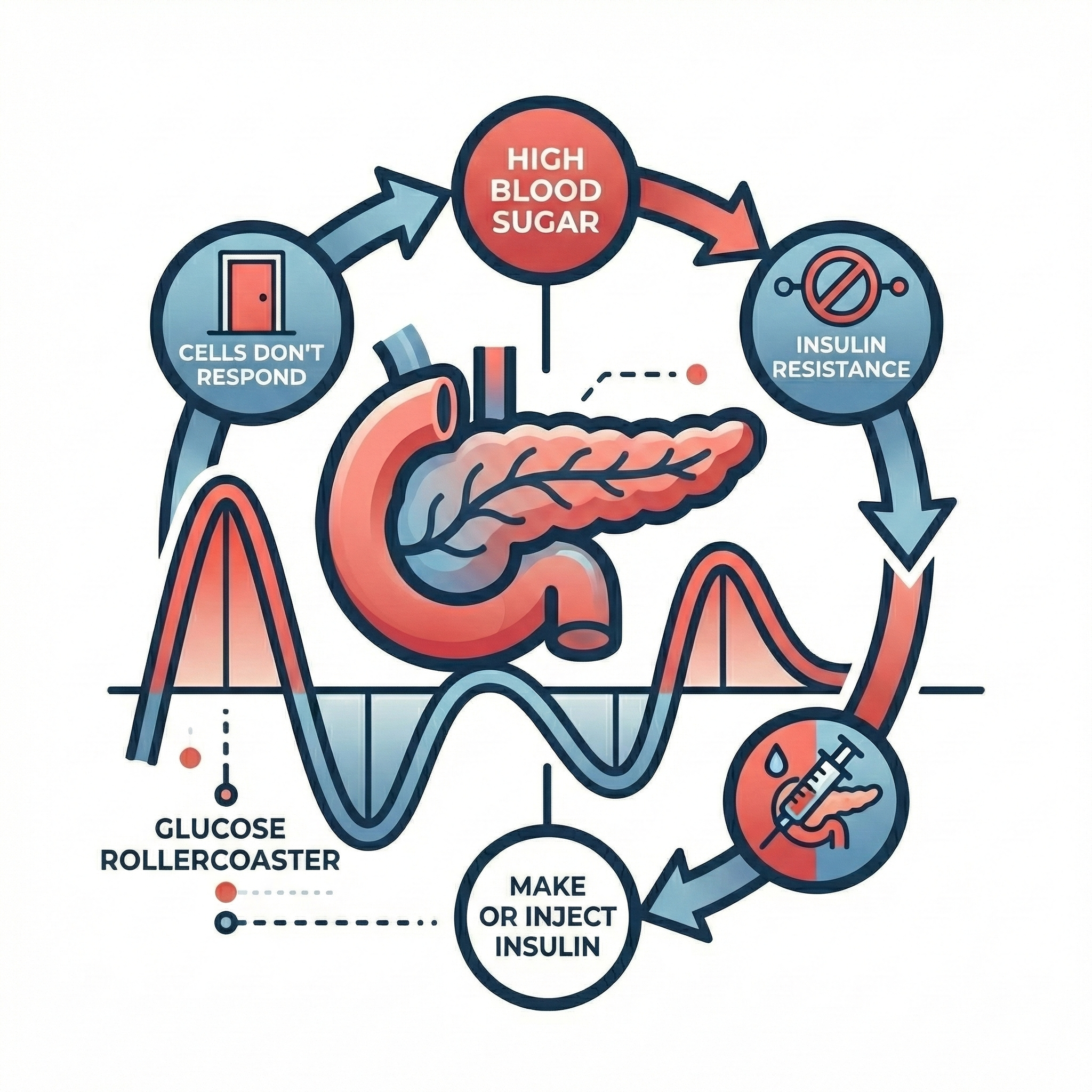
Diabetes exists on a continuum. In the United States alone, nearly 100 million people live with prediabetes, at risk of progressing to overt disease, while more than 8 million insulin-dependent patients continue to struggle with daily glucose instability—even with modern tools.
Prediabetics struggle with slowing the advance of their condition, with up to 10% of prediabetics becoming diabetic each year. And while continuous glucose monitoring, insulin pumps, and dosing algorithms have dramatically improved diabetes care for the insulin-dependent, glucose alone does not tell the full story. Insulin and drivers of insulin resistance and sensitivity remain largely invisible in everyday care.
Kilele Health aims to unlock this missing layer of critical “beyond glucose” information.
By providing real-time insulin trends, complemented by cortisol, which strongly influences insulin resistance, and supported by C-peptide, the SunVida™ platform has the potential to transform diabetes management across the spectrum.
For people with prediabetes, these insights may help quantify early insulin resistance trends, personalize diet, activity, and lifestyle choices, inform medication decisions, and ideally slow or even halt progression to insulin dependence.
For those with insulin-dependent diabetes, adding this new information to insulin dosing algorithms has the potential to significantly improve glycemic control, reducing volatility and helping patients finally step off the glucose “roller coaster.”
By complementing today’s glucose data with personalized insights about the biology that drives it, Kilele Health is enabling a more complete, proactive, and personalized approach to diabetes care.
Roadmap
Scheduled for the second wave of aptamer development
Chronic Kidney Disease
Chronic kidney disease (CKD) progresses in stages, often silently. Timely, actionable biomarker insight can meaningfully improve care at every point along this continuum—from early intervention to advanced disease management.
Kilele Health aims to support more informed CKD treatment decisions.
For patients in Stage 2 and Stage 3A, kidney function may still be preserved. Real-time trends may help clinicians and patients optimize therapy, manage risk factors, and slow, prevent, or even reverse disease progression.
For patients in Stage 4 and Stage 5, kidney damage is typically advanced and irreversible. Even so, continuous insight into kidney function may help care teams better tailor therapies, anticipate destabilizing events, and reduce avoidable emergency department visits or hospitalizations, while supporting patient comfort and stability.
By enabling real-time, stage-appropriate kidney monitoring, Kilele Health is working to shift CKD management from reactive to proactive—benefiting patients, providers, and health systems alike.
Roadmap
Scheduled for the second wave of aptamer development
Heart Failure

Heart failure (HF) care remains a major challenge. Risk stratification is imprecise, and initiation or optimization of guideline-directed medical therapy (GDMT) is often delayed, despite strong evidence that earlier GDMT significantly reduces mortality and hospital readmissions.
In the U.S., heart failure drives approximately 4 million hospital admissions each year. Thirty-day readmission rates, commonly ranging from 15–25%, create an estimated $16 billion annual burden for hospitals and payers, while exposing patients to avoidable risk and disruption.
Kilele Health aims to address this gap with real-time biochemical insight.
By tracking multi-analyte trends, the SunVida™ platform has the potential to:
Improve post-discharge risk stratification
Detect early signs of decompensation
Enable faster, safer titration of GDMT
Reduce avoidable readmissions
The result is more proactive heart failure management—aligning patients, providers, and payers around earlier intervention, better outcomes, and lower total cost of care.
Roadmap
Scheduled for the second wave of aptamer development